
RCD Protection Explained: What It Does and Why It Trips
Updated: Sep 13
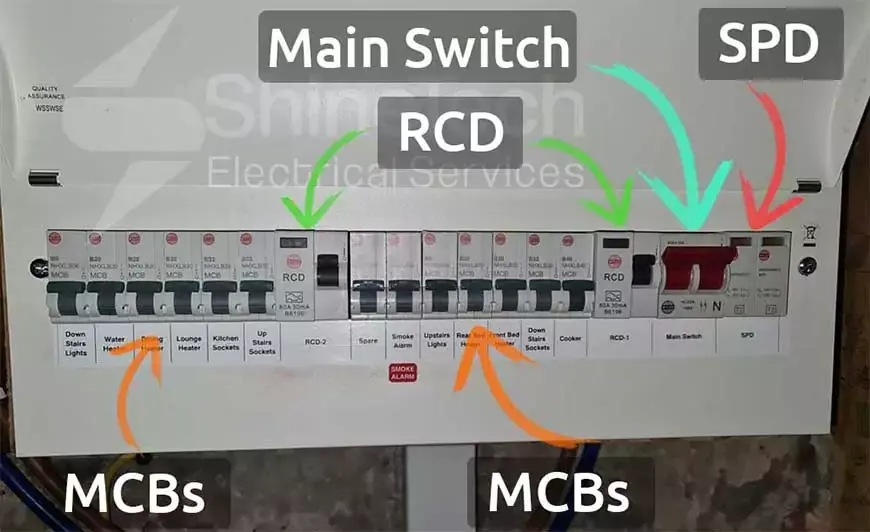
An RCD, or residual current device, is a protective device that disconnects electricity when it detects a particular type of current imbalance. It can reduce the risk of serious electric shock, but it does not protect against every electrical danger.
If an RCD keeps tripping, the cause needs investigation. The problem may involve an appliance, damaged wiring, moisture or another issue within the installation. Repeated tripping does not automatically mean the device itself needs replacing.
This guide explains how RCD protection works, how it differs from other protective devices and what to discuss with an electrician when problems occur.
How Does an RCD Work?
An RCD compares the current flowing through the live conductors supplying a circuit. An imbalance can indicate that some current is taking an unintended path, potentially through damaged insulation or a person.
When the imbalance reaches the device’s operating threshold, it disconnects the supply. This can limit the duration of a dangerous fault.
However, an RCD is not a guarantee against injury. It does not detect every possible shock situation, and its presence never makes touching exposed wiring or using damaged equipment safe.
RCD, RCCB and RCBO: What Is the Difference?
RCD is a general term for devices that detect residual current. Two types commonly discussed when assessing consumer units are RCCBs and RCBOs.
An RCCB provides residual-current protection but does not itself provide protection against overload or short-circuit current. Separate protective equipment is needed for those functions.
An RCBO combines residual-current protection with overload and short-circuit protection, commonly for an individual circuit.
Depending on the arrangement, one RCCB may protect several circuits, while individual RCBOs can help limit the circuits affected by a fault. Your electrician should explain the proposed arrangement and select equipment suitable for the installation.
The IET’s protective-device guidance explains these distinctions in more detail.
Why Might an RCD Keep Tripping?
Possible causes include:
A fault in an appliance or its connecting cable.
Damaged insulation within the fixed wiring.
Moisture entering electrical equipment.
Incorrect connections or previous alterations.
Combined leakage currents from connected equipment.
A problem with the protective device itself.
The timing can provide useful clues. Note whether tripping happens when particular equipment operates, during wet weather or following recent work.
These observations help an electrician investigate, but they do not establish the cause. Avoid repeatedly resetting the device or continuing to use equipment associated with the fault.

What Should You Do When It Trips?
Check for obvious warning signs without opening electrical covers or touching damaged equipment. Burning smells, smoke, scorch marks or crackling require urgent attention.
If the device will not reset or trips again, leave the affected supply off and contact an electrician. Never bypass the protection, hold the switch in position or replace it with a different device to stop the tripping.
Tell the electrician which areas have lost power, what was operating and whether anything changed recently. Explain if essential equipment has been affected so appropriate arrangements can be discussed.
For other warning signs, read our guide to common household electrical hazards.
How Should You Test the RCD?
Follow the device manufacturer’s instructions and the guidance provided for your installation. The user-operated test button checks the device’s response to an internally created imbalance.
Plan for the resulting power interruption before carrying out the test. Follow the instructions for restoring the supply afterwards.
If the device does not operate as instructed, contact an electrician promptly. Do not assume the protection is working.
The test button does not check the entire installation or replace professional inspection and testing. If you are unsure which device to test or how to operate it, ask your electrician to demonstrate.
Does an Older Consumer Unit Need Replacing?
The age of a consumer unit alone does not establish whether it needs replacement. Its condition, protective equipment and suitability for the circuits it serves need assessment.
An installation with limited or no RCD protection warrants professional advice. Equally, a newer consumer unit does not rule out faults elsewhere.
If an upgrade is recommended, ask what prompted the recommendation, which circuits are affected and whether associated repairs are included. Replacing the consumer unit does not automatically repair damaged wiring or increase circuit capacity.
Our consumer unit upgrade guide explains what to expect during assessment and installation.
What About New Work and Rented Properties?
The protection required depends on the installation, equipment and work being undertaken. An electrician should assess the applicable requirements when adding circuits, altering wiring or replacing a consumer unit.
For rented properties in Scotland, relevant landlord duties also need to be considered. Tell the electrician how the property is used and provide previous electrical reports.
Avoid treating a general list of rooms as a complete guide to compliance. Our explanation of BS 7671 for homeowners outlines the relationship between standards, assessments and documentation.
Frequently Asked Questions
Does RCD protection prevent every electric shock?
No. It can reduce the risk from certain faults, but it does not protect against every shock situation. Safe equipment, suitable installation and other protective measures remain necessary.
Does tripping mean the RCD is faulty?
Not necessarily. It may be responding correctly to a fault elsewhere. Investigation should identify the cause before replacement is recommended.
Is an RCD the same as surge protection?
No. Residual-current protection and surge protection perform different functions. Ask your electrician which protective devices are installed and what each one does.
Can a plug-in RCD replace a consumer unit upgrade?
A plug-in device protects only the equipment connected through it, within its intended use. It does not provide a complete assessment or upgrade of the fixed installation. Ask whether it is suitable for the equipment and circumstances.
Arrange an RCD Fault Investigation
DTEC Electrical can investigate repeated tripping and assess the protection within your installation. When enquiring, describe when the problem occurs, which circuits are affected and any recent changes.
Visit our Greenock or Largs pages for local service information, or contact us to discuss the issue.


Comments