
Common Household Electrical Hazards and How to Avoid Them
Updated: Sep 13
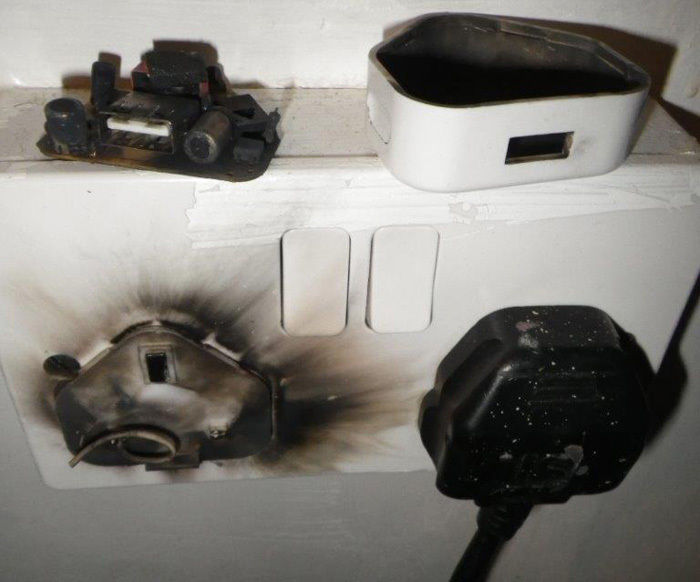
Electrical hazards can develop through damaged equipment, unsuitable connections or faults in the fixed wiring. Some problems are visible, such as a cracked plug or scorched socket, while others need inspection and testing to identify.
This guide explains common warning signs, everyday precautions and when to arrange professional help. A symptom such as flickering lights or repeated tripping does not automatically mean your home needs rewiring, but it should be investigated. Avoid opening electrical accessories or attempting repairs to live equipment.
Damaged Wiring, Sockets and Switches
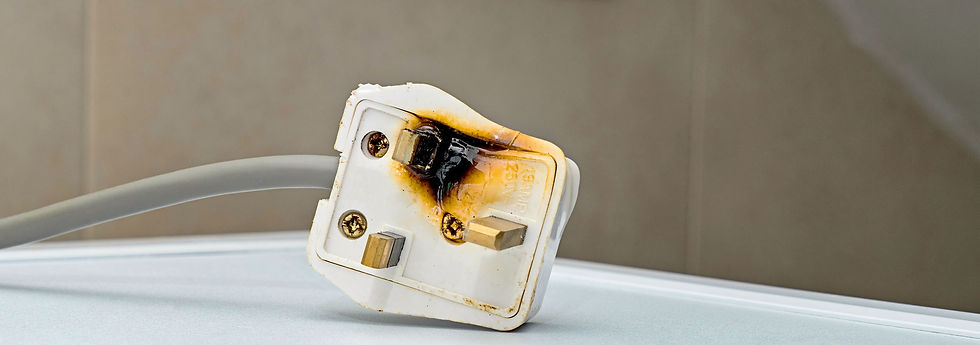
Look out for cracked accessories, exposed wires, discolouration and loose socket faceplates. Buzzing, crackling or a burning smell also needs prompt attention. Stop using affected equipment and arrange an assessment.
Flickering lights and repeated tripping can have several causes, including an appliance fault, a connection problem or damaged wiring. Tell your electrician when the problem happens and which equipment is in use. Avoid repeatedly resetting a protective device without investigating why it operates.
For more detail, read our guide to warning signs your house may need rewiring.
Overloaded Sockets and Extension Leads
The number of available outlets does not tell you how much equipment an extension lead can safely supply. Check its stated rating and the combined demand of the appliances connected to it.
Never plug one extension lead into another. Equipment with a high electrical demand needs particular care: follow the appliance manufacturer’s connection instructions.
Check plugs and leads for damage or signs of overheating. Follow cable-reel instructions, including the different ratings that may apply when the cable is wound or unwound.
Electrical Safety First provides further guidance on avoiding overloaded sockets.
Cables That Are Trapped or Poorly Positioned
Cables can become damaged when trapped beneath furniture, caught in doors or repeatedly stretched. Running them beneath rugs can conceal damage and make problems harder to spot.
Position leads where they will not be crushed, pulled or create a trip hazard. Keep connections away from water and follow the equipment’s instructions for its intended environment.
If your room layout depends on several trailing leads, discuss better socket positions with an electrician. Additional sockets can improve convenience, but they do not themselves increase a circuit’s capacity.
Damaged Appliances and Charging Equipment
Stop using appliances with broken plugs, damaged flexes or exposed conductors. Arrange advice from the manufacturer or a suitable repair professional rather than covering damage with tape and continuing to use the equipment.
Use charging equipment specified or approved by the device manufacturer. Follow its instructions on charging location, ventilation and supervision.
Keep chargers and devices uncovered during charging. If a battery becomes swollen, damaged or unusually hot, stop using it and obtain advice from the manufacturer. Do not attempt to open or repair the battery yourself.
Water and Outdoor Electrical Equipment
Water near electrical equipment requires particular care. Outdoor sockets, lights and connections should be suitable for their location and exposure.
Look for broken covers, damaged seals, loose fittings or visible deterioration without opening the equipment. Stop using a fitting if you suspect water has entered it, and arrange an assessment.
Do not assume that an indoor extension lead becomes suitable for outdoor use because its connection is covered. Explain the intended equipment and location to your electrician so the supply arrangement and protection can be assessed.
Older Fuse Boards and Protective Devices
An older fuse board may lack some protective features found in newer installations. However, its installation date alone does not determine whether replacement is necessary.
Ask an electrician to assess the consumer unit alongside the wiring, earthing and existing circuits. Replacing the board does not repair faults elsewhere or automatically increase the capacity of the installation.
Where protective devices have user-operated test buttons, follow the manufacturer’s instructions. A test button does not replace professional inspection and testing.
Our consumer unit upgrade guide explains what to discuss before agreeing work.
When to Seek Urgent Help
Burning smells, smoke, persistent sparking or signs of severe overheating need urgent attention. Keep people away from the affected equipment and do not touch damaged or wet electrical fittings.
If there is a fire, leave the property, stay outside and call 999. Do not use water on an electrical fire or delay leaving to investigate its cause.
For an electrical fault without an active fire, stop using the affected equipment and contact an electrician promptly. Describe what you have noticed so they can advise on the appropriate response.
Frequently Asked Questions
Can visual checks confirm that my electrics are safe?
No. Visual checks can identify obvious damage, but they cannot establish the condition of concealed wiring or confirm that protective measures work correctly. Inspection and testing provide a fuller assessment.
Does repeated tripping mean I need a new consumer unit?
Not necessarily. The cause may involve an appliance, wiring or another part of the installation. Investigation should establish the fault before replacement work is recommended.
When should I arrange an electrical inspection?
Check the recommended next-inspection date on your existing electrical report. Arrange advice sooner if faults appear, the installation is damaged or substantial alterations are planned. The appropriate timing also depends on the property’s use and condition.
Arrange Help With an Electrical Problem
DTEC Electrical can investigate faults and explain any repairs or further testing required. When enquiring, describe the symptoms, when they started and which rooms or appliances are affected.
For local service information, visit our Greenock or Largs pages, or contact us to discuss the problem.


Comments